Brattle Street Review: An Anthology, Vol. 1
Inaugural Print Edition, 2025 | Exclusive Photography
My photographic work serves as the exclusive visual accompaniment to the stories and poems in the inaugural annual print edition of Brattle Street Review: An Anthology (2025). I was invited to provide all imagery within the issue, including the cover.
A collection of short fiction, poetry, and artwork by students and alumni of Harvard University, the Brattle Street Review represents a meaningful convergence of two sustained commitments: my work in the ALM Creative Writing and Literature program and a three-decade practice in fine art photography.
-
The anthology’s cover features a photograph of the typewriter used by Nobel Laureate José Saramago, captured within his personal library at the Saramago Foundation in Lisbon. The image is a meditation on the tactile history of the written word—a fitting threshold for the contemporary voices gathered within.
-
All content published in this inaugural anthology—including the photographic work—will be permanently archived in the Harvard University Archives at Pusey Library, Harvard Yard. The Archives serve as the primary repository for nearly four centuries of the university’s intellectual and cultural history.
-
The 2025 inaugural edition is available in a premium print format from Amazon. Further information about the publication is available at Brattle Street Review.


Brattle Street Review: An Anthology, Vol. 2
Annual Print Edition, 2026 | Exclusive Photography
My photographic work serves as the exclusive visual accompaniment to the stories and poems in the second annual print edition of Brattle Street Review: An Anthology (2026). I was invited to provide all imagery within the issue, including the cover.
A collection of short fiction, poetry, and artwork by students and alumni of Harvard University, the Brattle Street Review represents a meaningful convergence of two sustained commitments: my work in the ALM Creative Writing and Literature program and a three-decade practice in fine art photography.
-
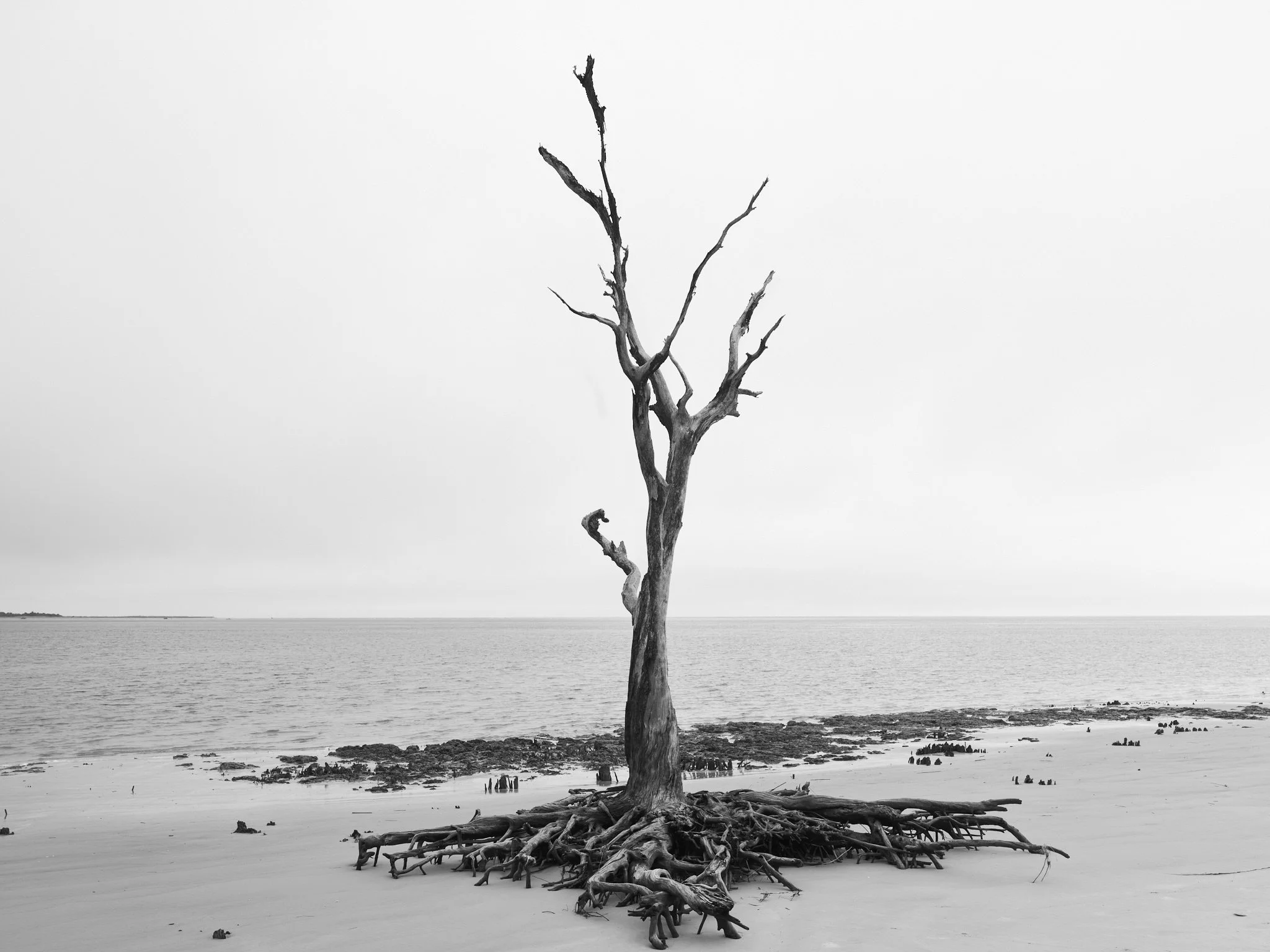
The anthology’s cover features a photograph of an uprooted tree that despite being unmoored still stands tall, epitomizing the resilience despite being battered by the waves and bleached by the sun.
-
All content published in this inaugural anthology—including the photographic work—are permanently archived in the Harvard University Archives at Pusey Library, Harvard Yard. The Archives serve as the primary repository for nearly four centuries of the university’s intellectual and cultural history.
-
The 2025 inaugural edition is available in a premium print format from Amazon.
Thats My Dad!
Between Exercitium and Speculatio — Harvard’s 375th Commencement
Issue #16 - September 2026 | Essay
-
Shehzad K. Niazi, M.D., is Chair of the Department of Psychiatry and Psychology at Mayo Clinic. A lifelong student of both medicine and the humanities, he received his Master of Liberal Arts (ALM) in Creative Writing and Literature from Harvard Extension School in 2026. “That’s My Dad” chronicles a single commencement day while reflecting on learning, departure, grief, and the enduring bonds of family.
-
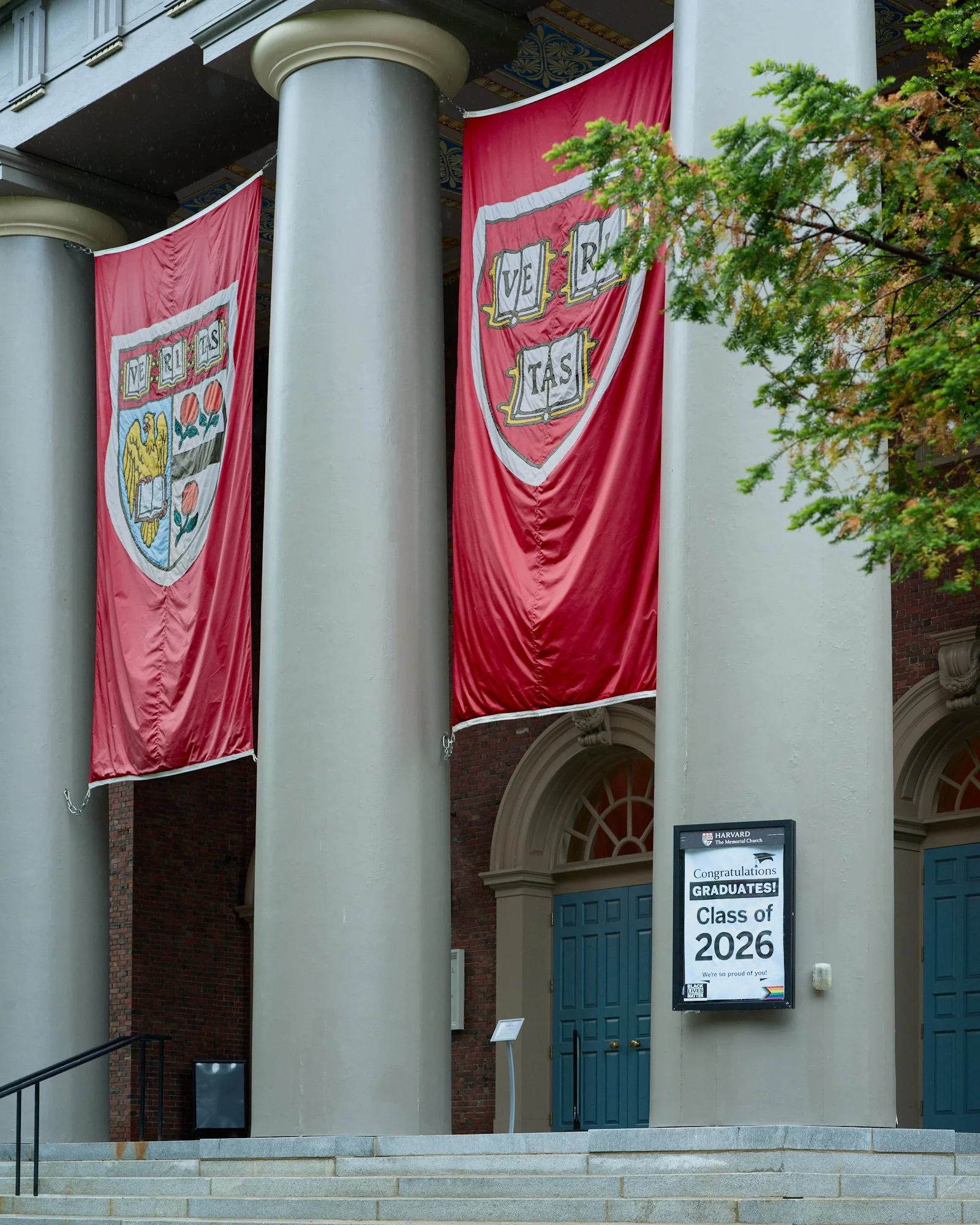
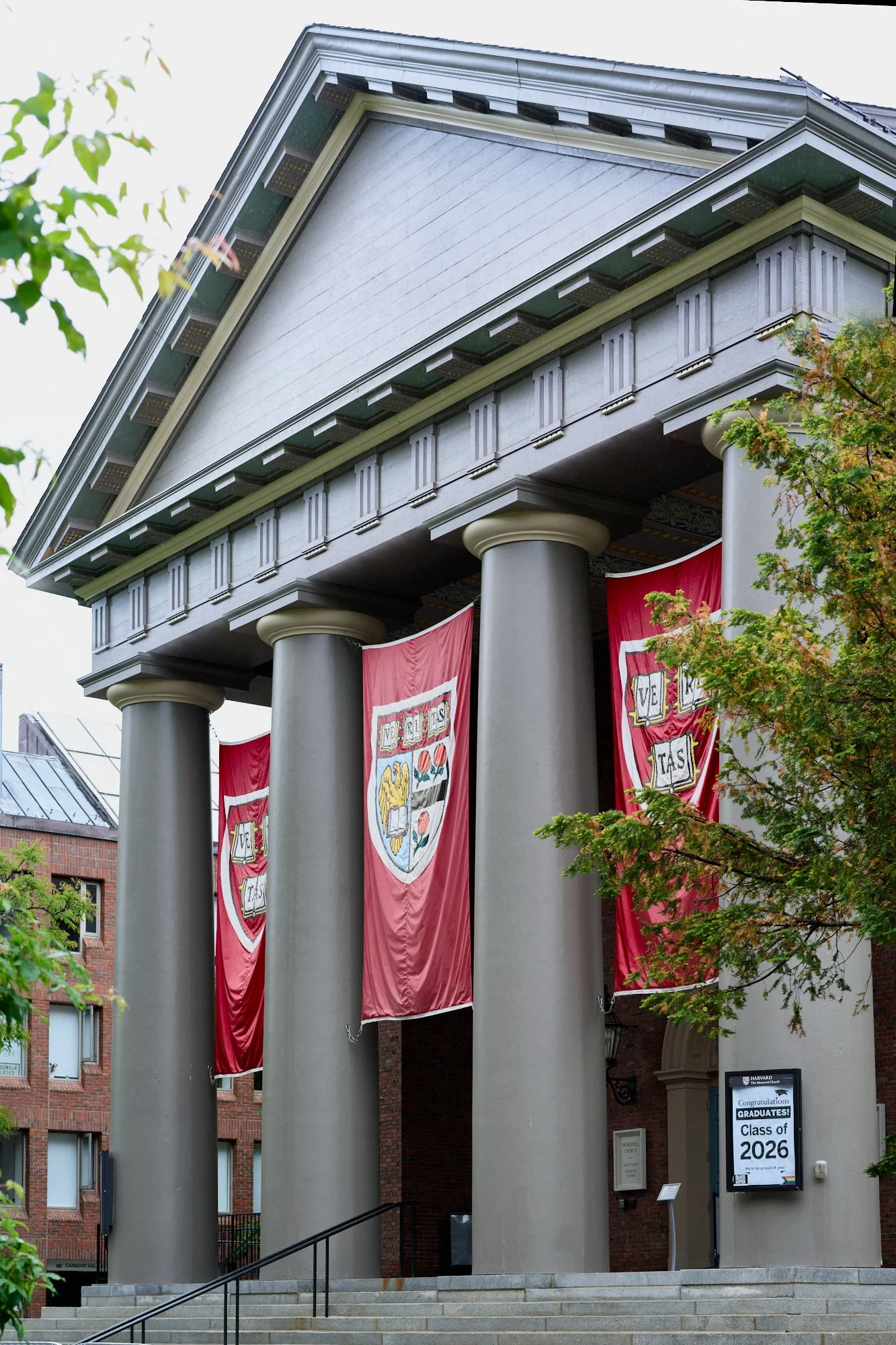
The word that names the morning is older than the university that uses it. Exercise — as in Commencement Exercises, printed at the top of every Harvard program since the ceremony’s founding in 1642 — comes from the Latin exercere: to drive out of the enclosure. Before it described anything academic, anything athletic, anything civic, it described livestock. An animal kept in a pen, then released to do the work it was bred for. The Romans borrowed the word for their legions — drilling soldiers the way farmers drove oxen — and the medieval universities borrowed it from the Romans, attaching it to the public disputations in which degree candidates were required to defend their theses before any challenger who cared to rise. At Oxford and Cambridge, this happened every weekday in Lent. You appeared in the University Church and argued in Latin until someone stopped challenging you or you failed. Harvard imported the practice entire in 1642: nine scholars in the first graduating class defending propositions in grammar, rhetoric, logic, ethics, physics, and metaphysics — morning and afternoon, with a feast between. The ceremony was called, then as now, exercises. You were not being celebrated. You were being driven from the enclosure and put to work.
The opposite of exercitium, in the scholastic tradition, was speculatio — pure contemplation, thought turning on itself without the friction of public demonstration. The medieval university insisted these were not opposites but a cycle: you could not speculate well without exercising the mind against resistance, and you could not exercise meaningfully without a body of thought to draw from. Four years of reading and writing and arguing in the margins of drafts at odd hours in different time zones had been, in this older sense, the speculatio.
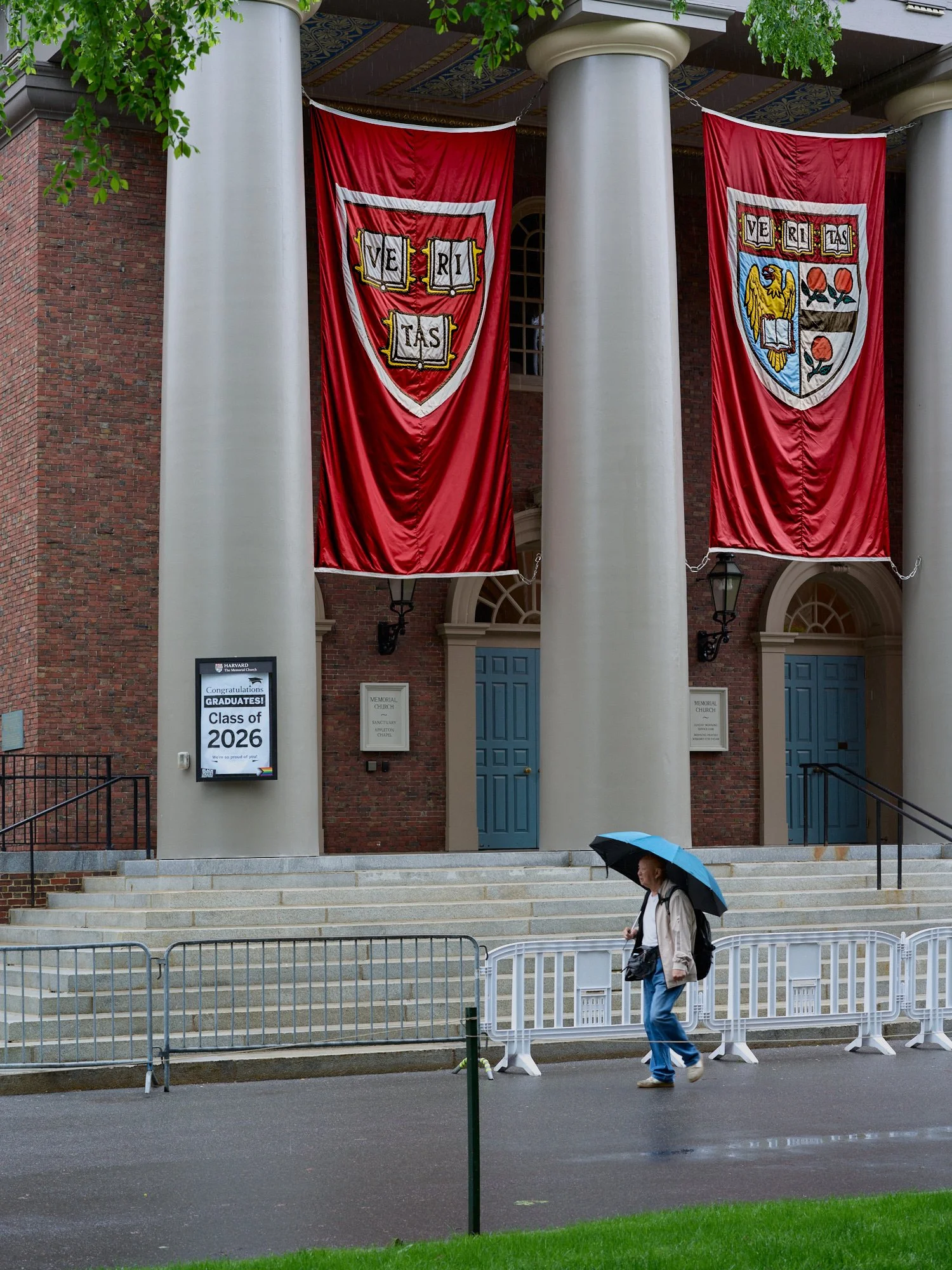
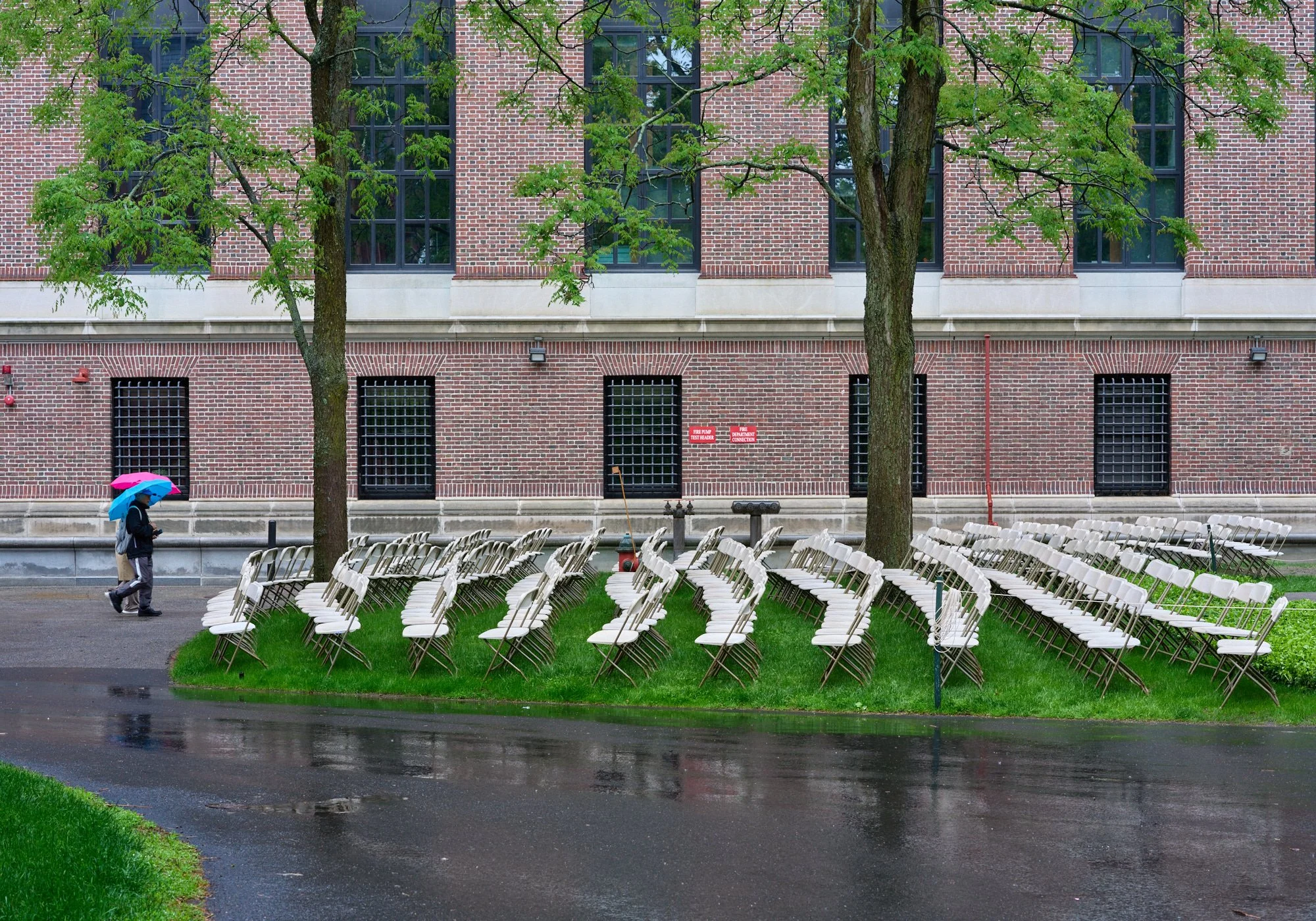
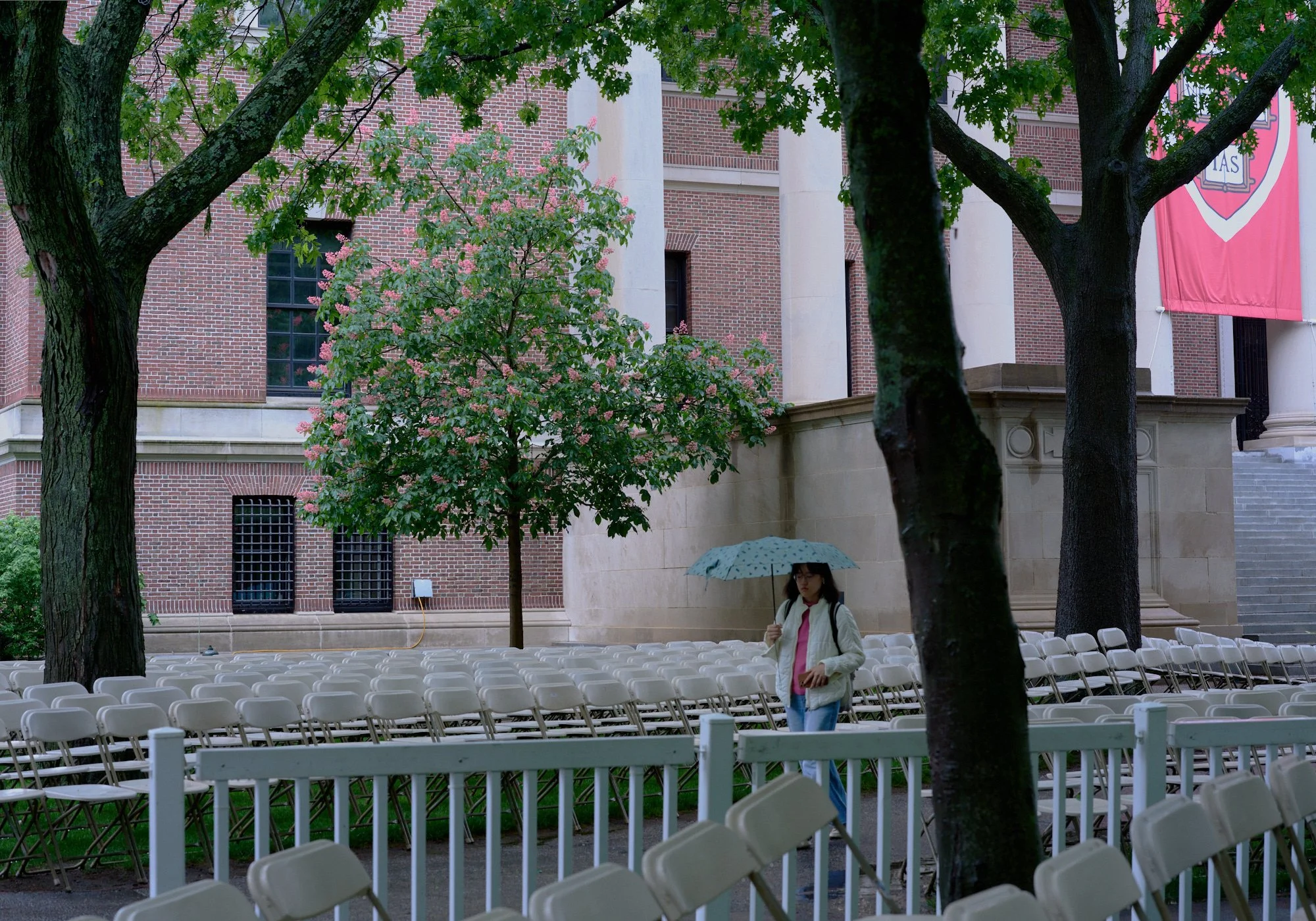
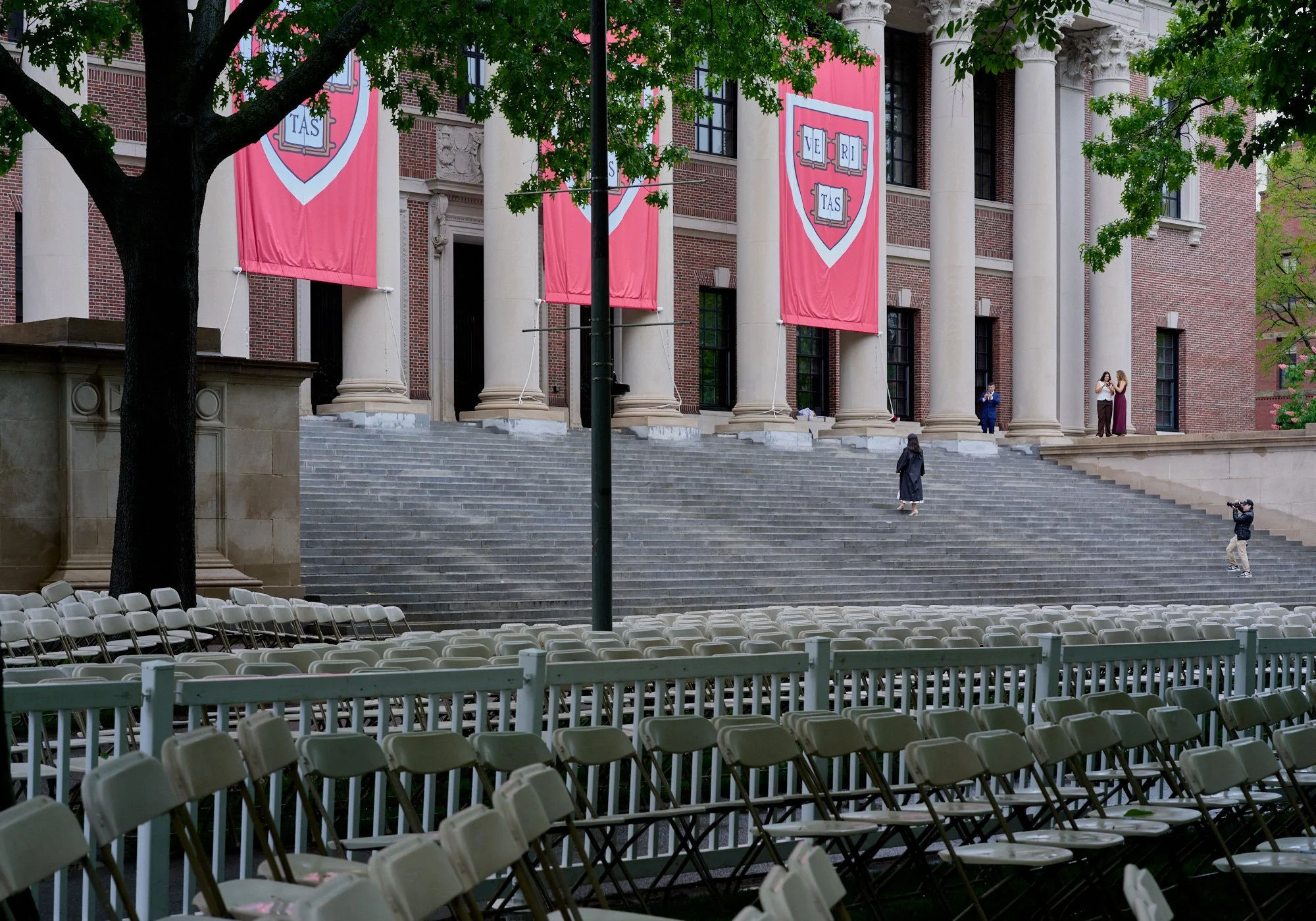
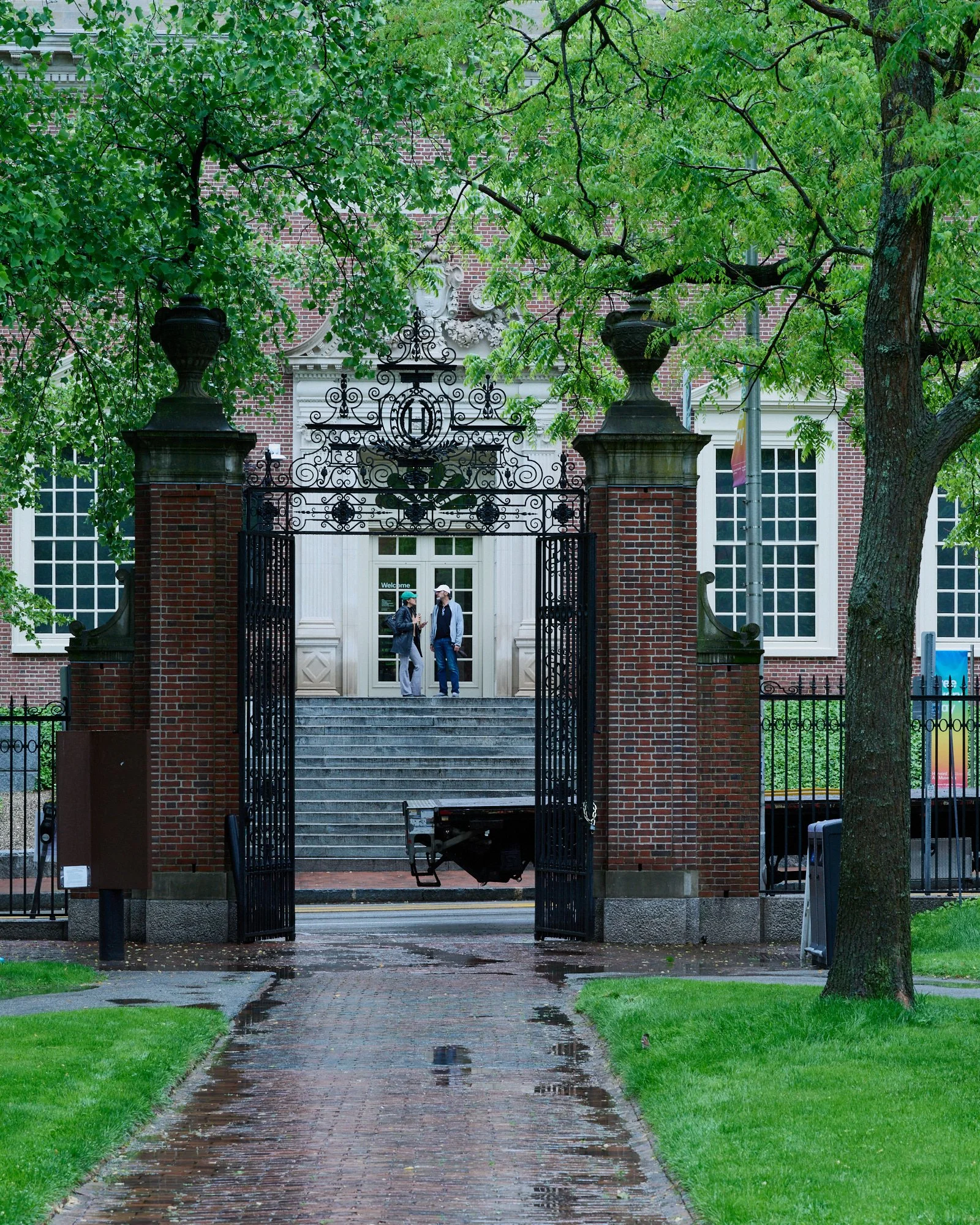
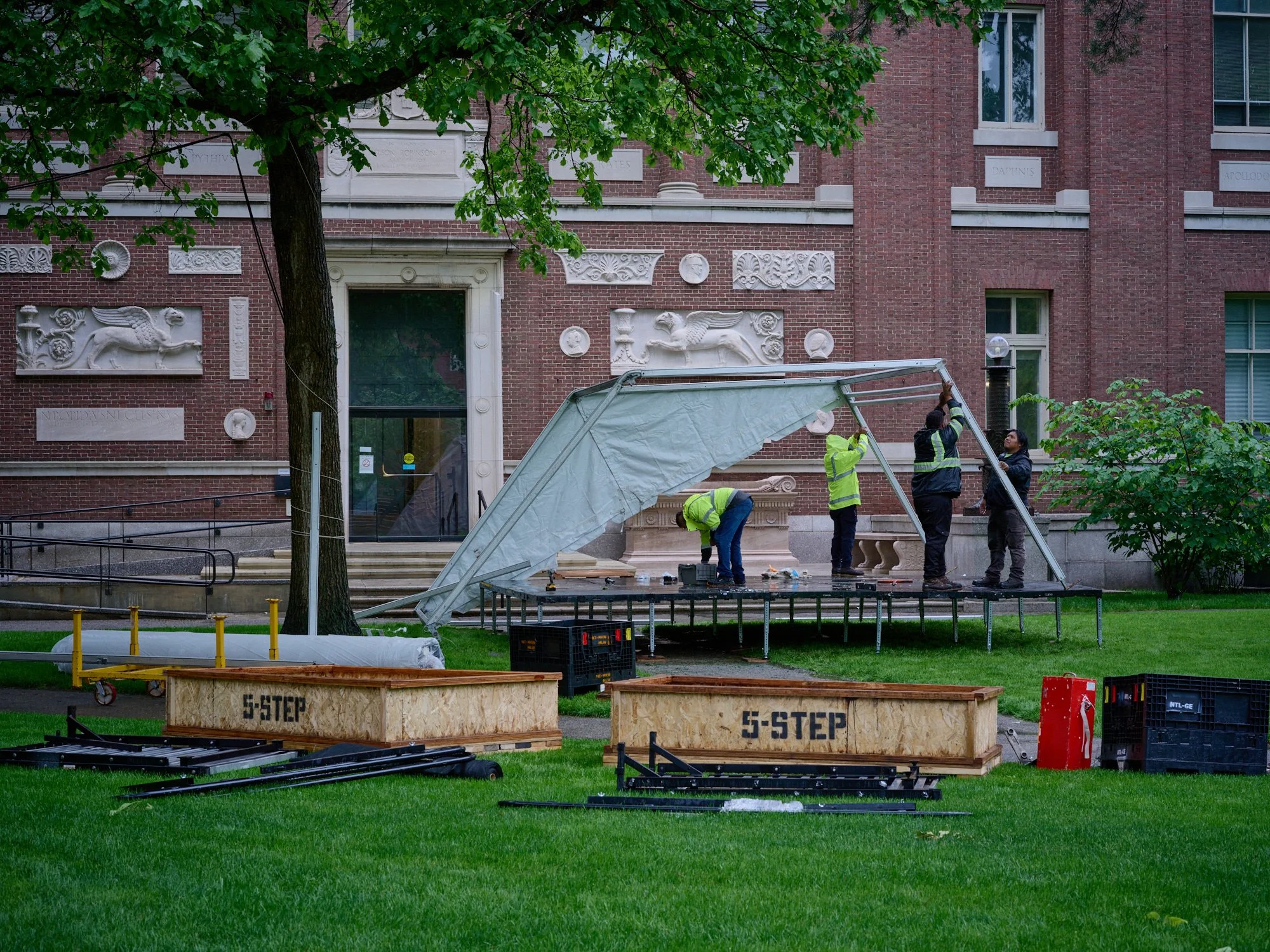
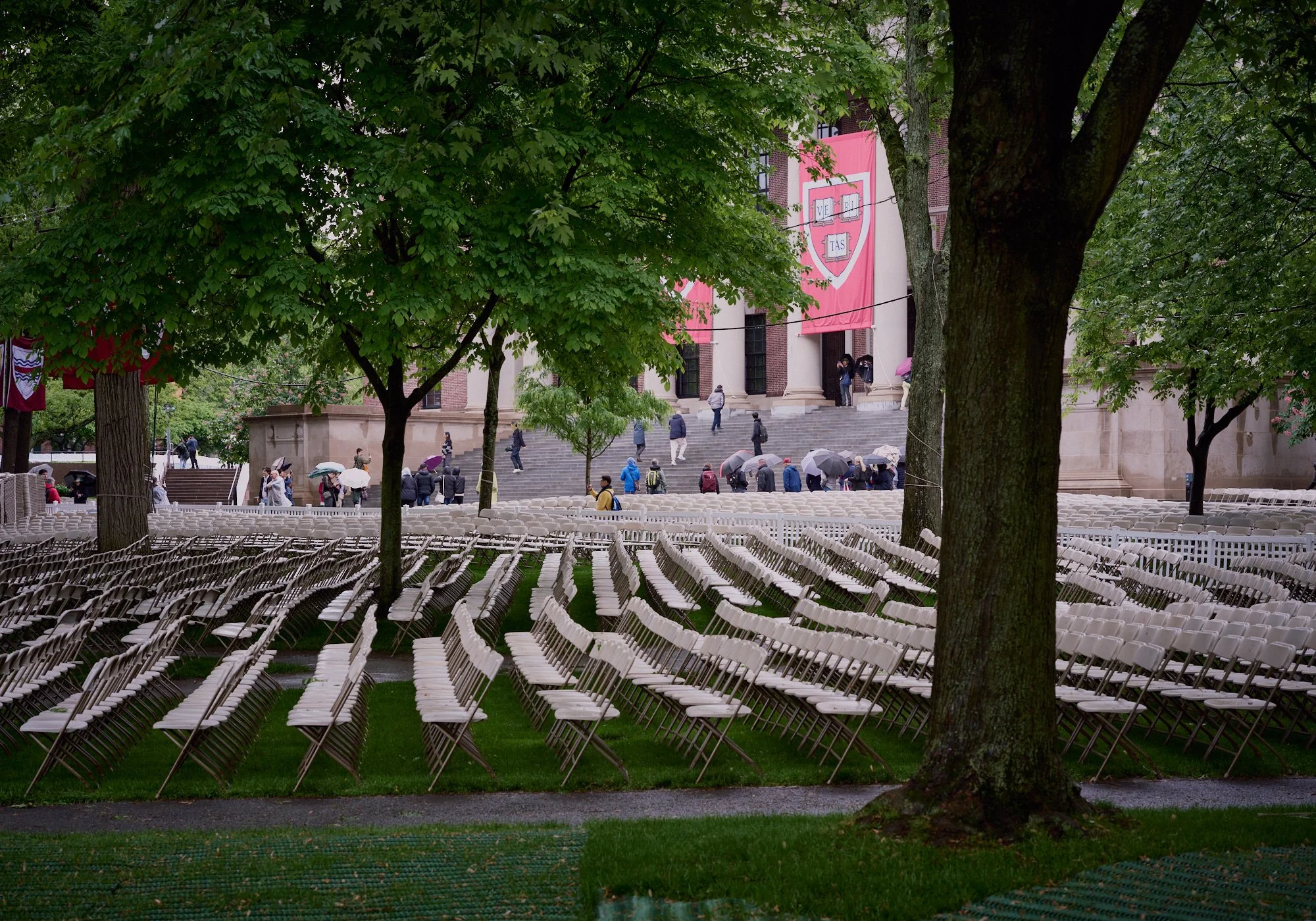
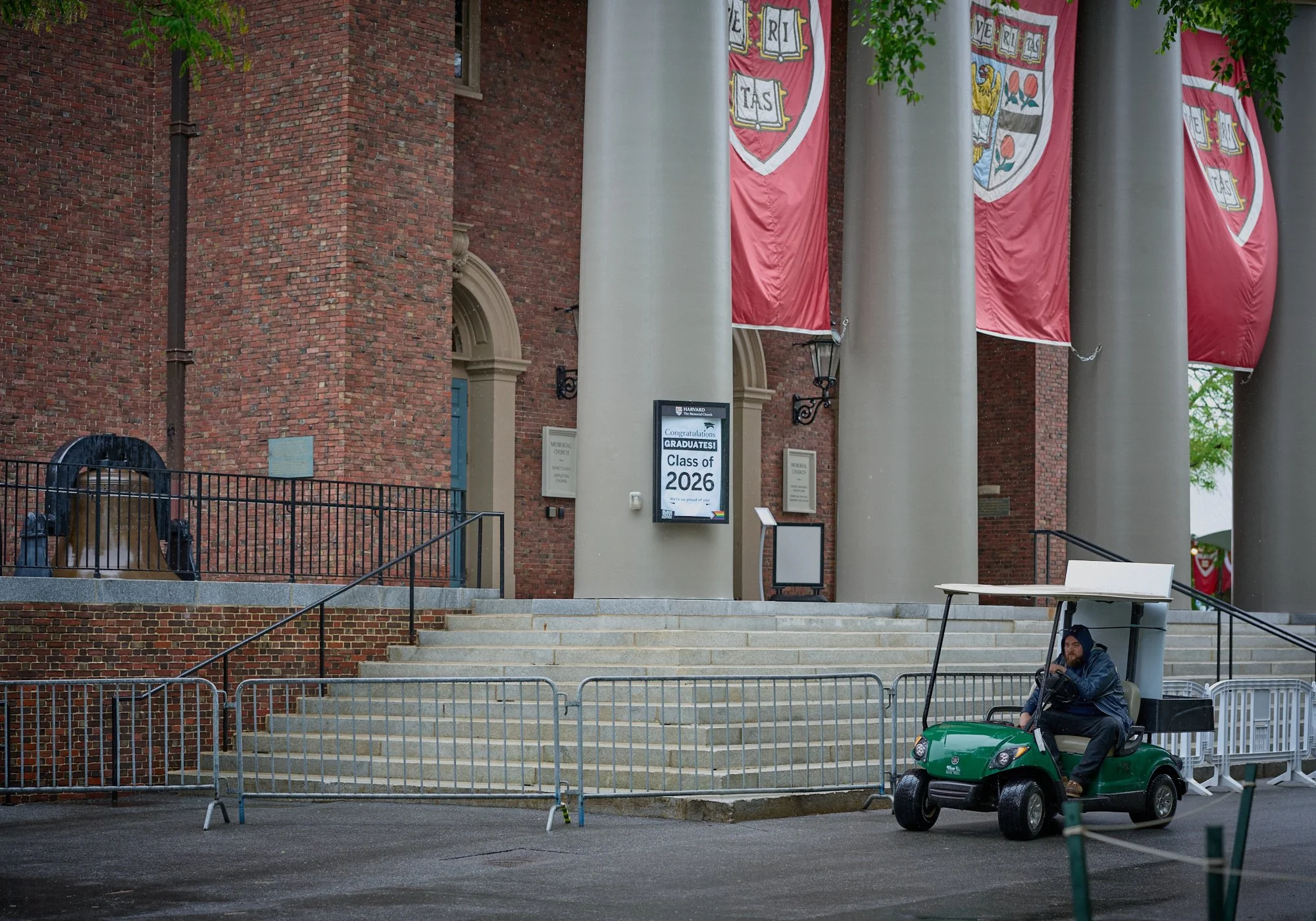
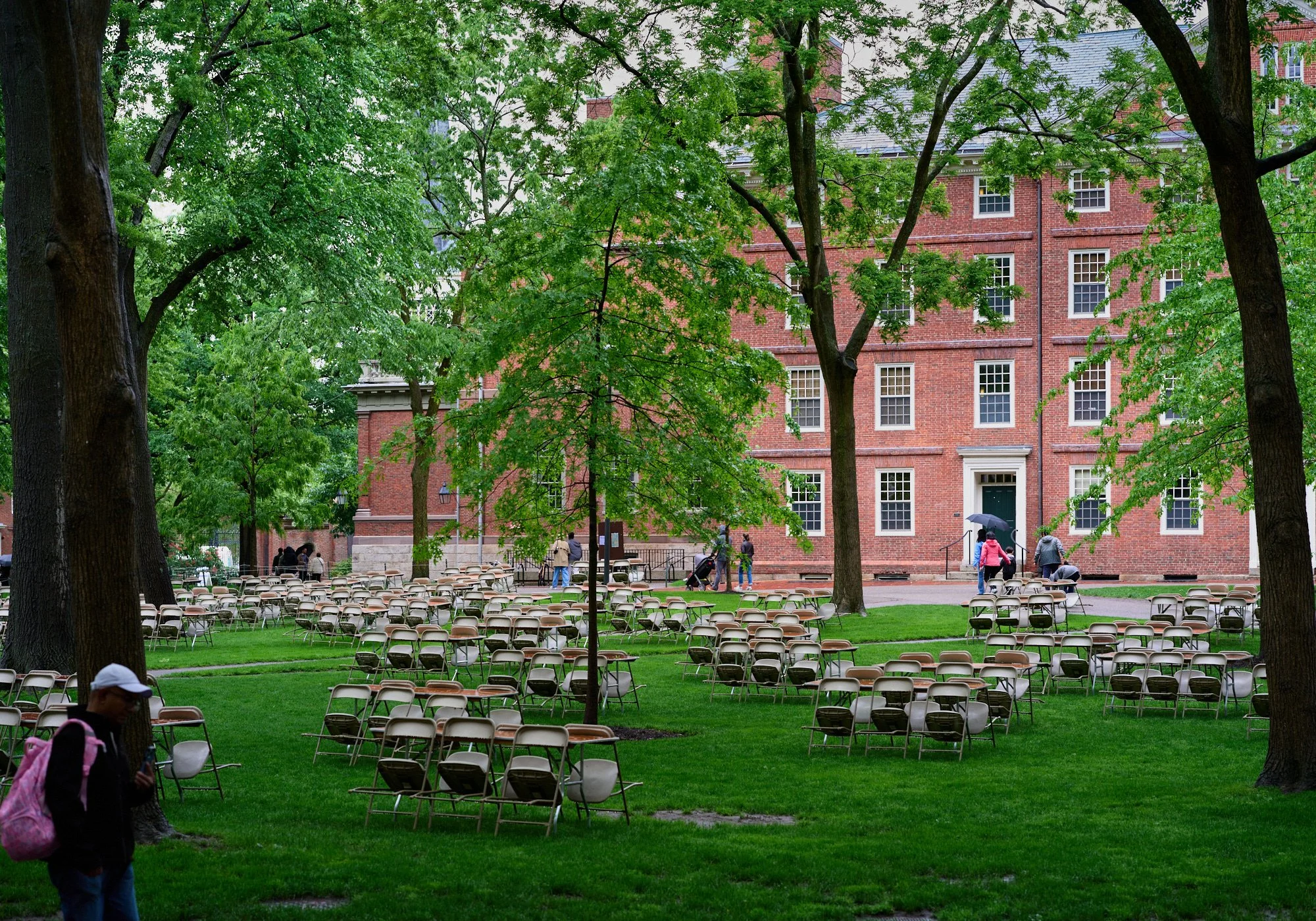
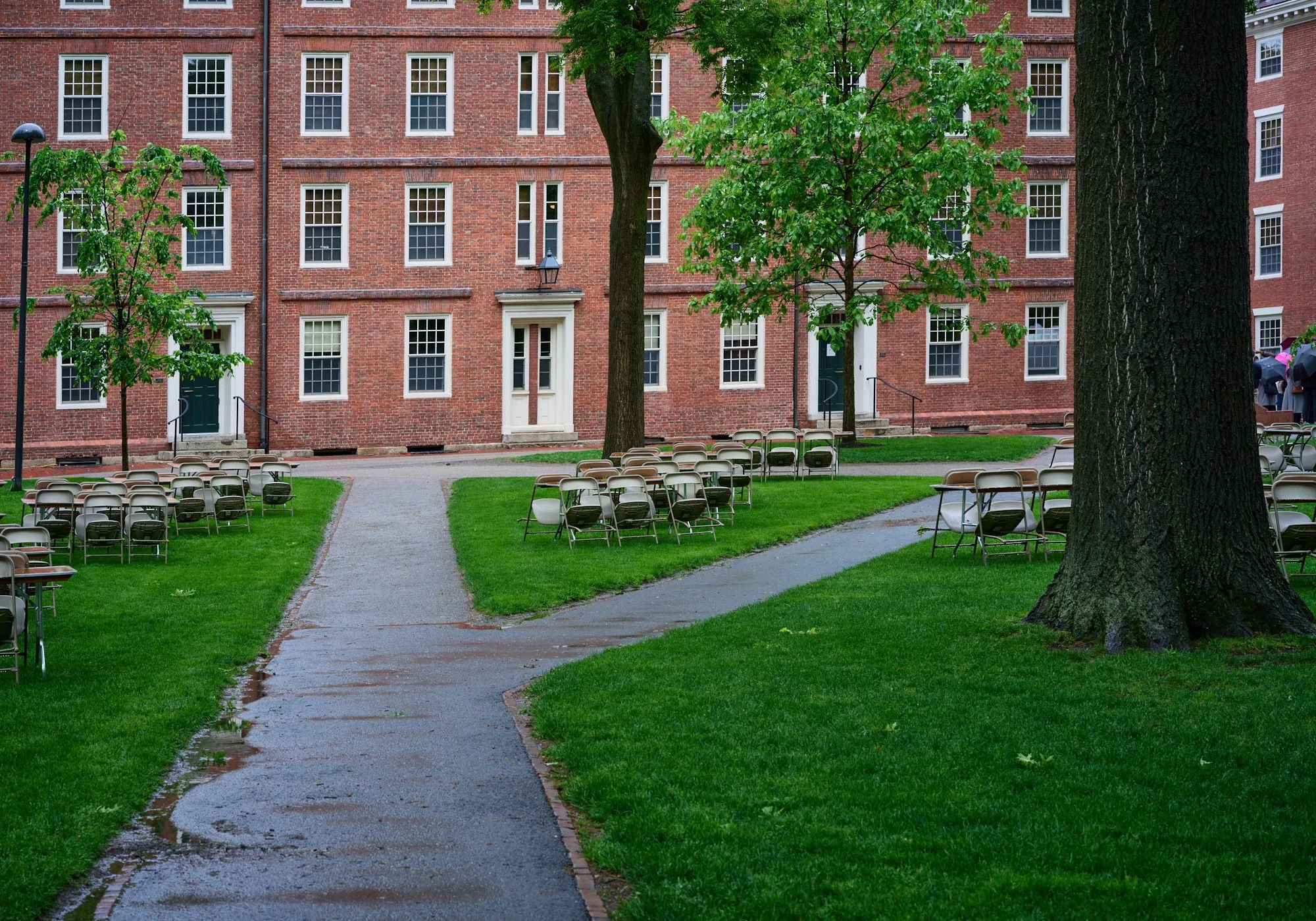
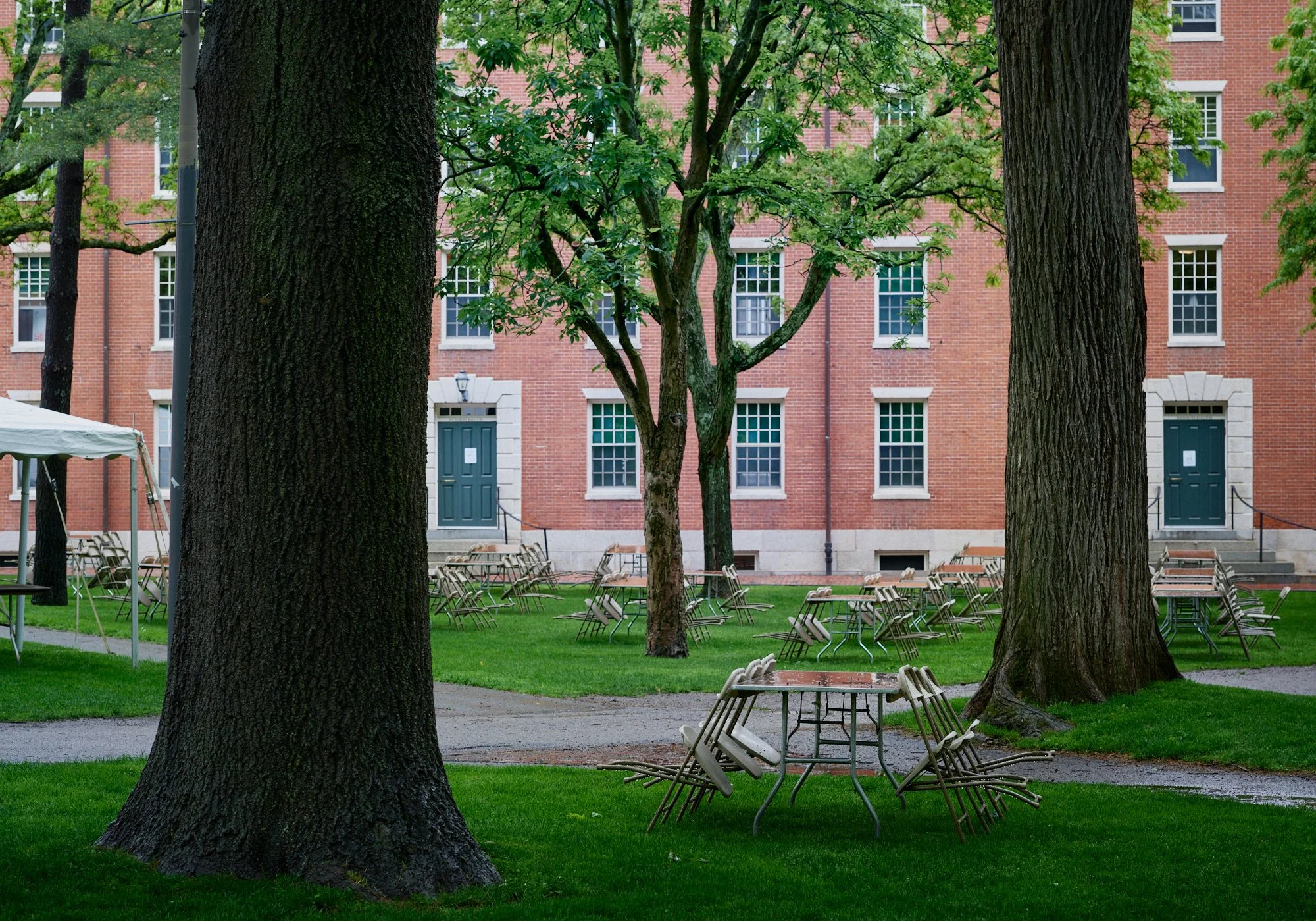
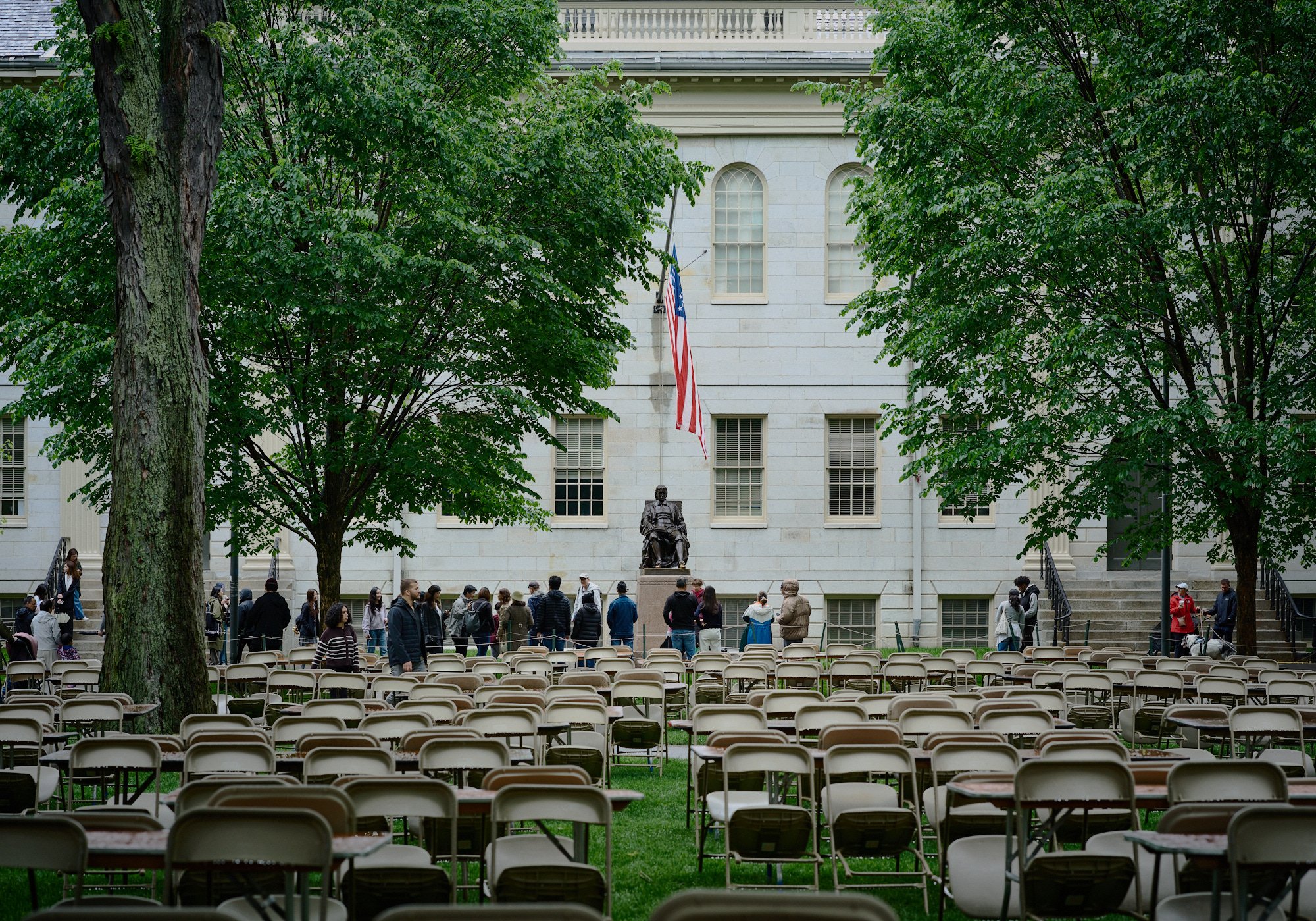
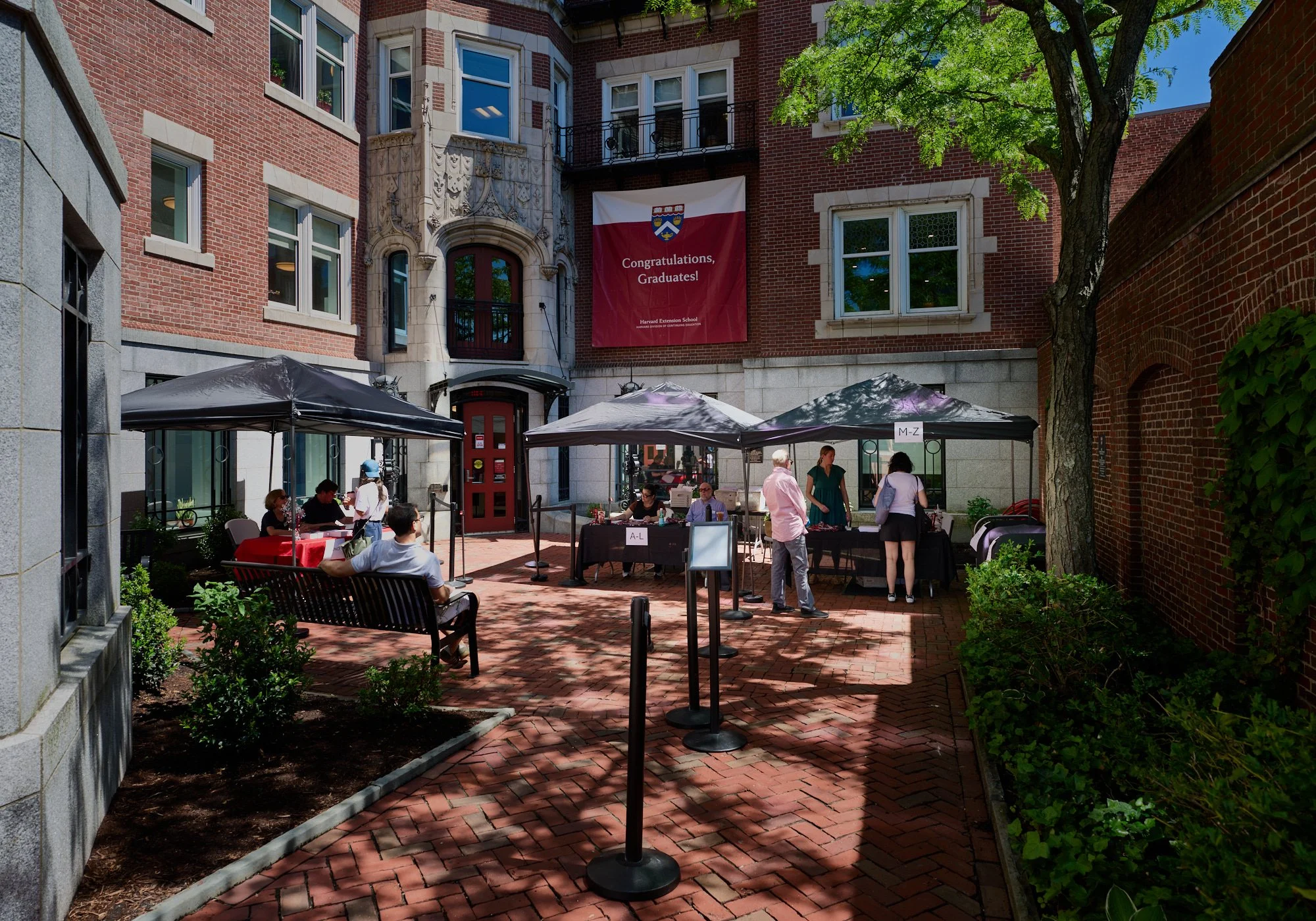
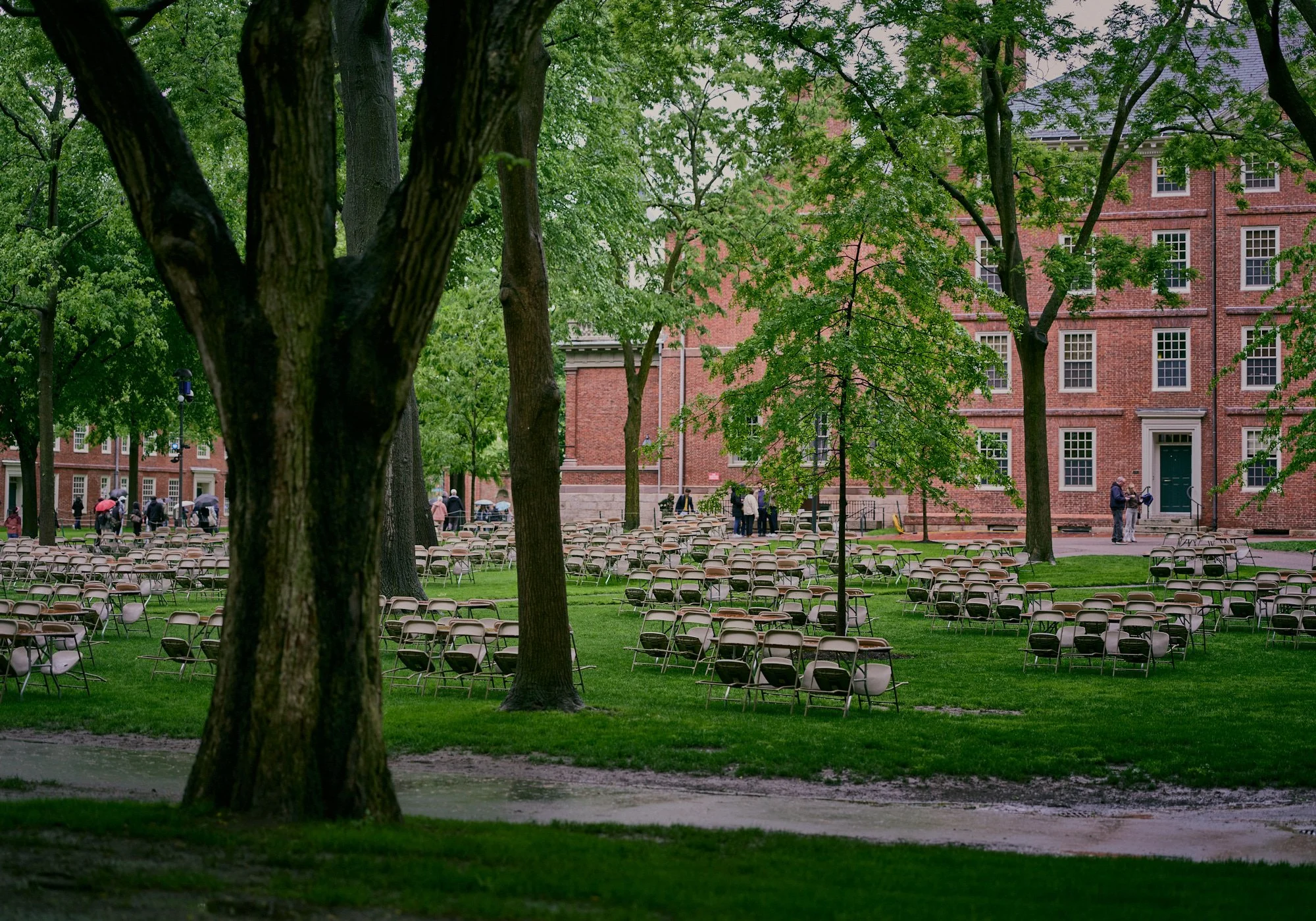
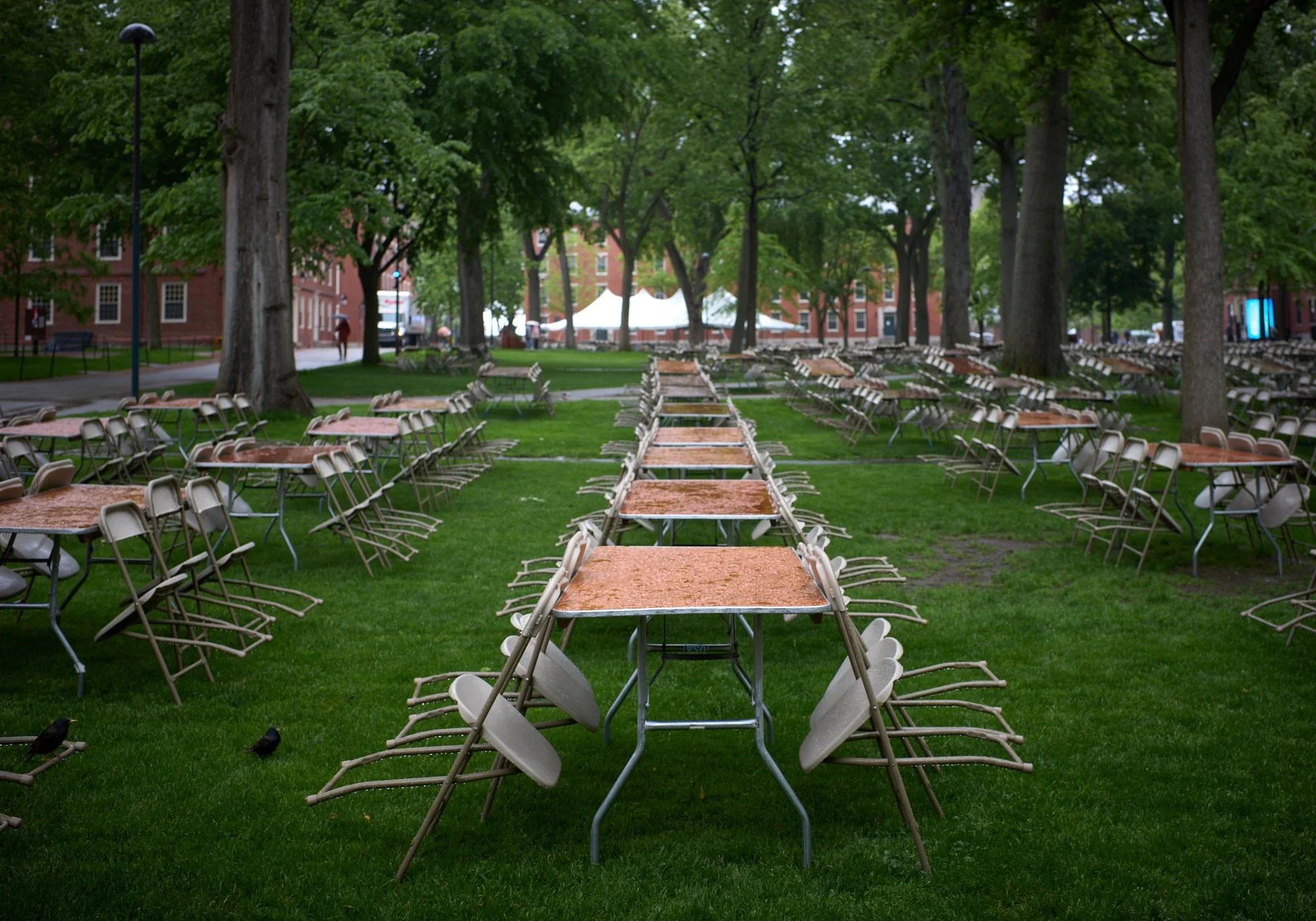
I thought about this etymology while standing in line to check in at the Harvard Museum of Natural History at 6:15 AM on May 28th, 2026. My gown was folded over my arm and under the crimson cape. In my hand I was holding the graduation hat with its tassel that kept shedding its yellow threads. My left arm, draped with the gown, was held uncomfortably high to keep the hem off the wet lawn. The air outside still carried the wetness of recent rain rousing the earthy aroma from wet bricks of facades and dirt paths now muddy. As the line moved, I looked around but did not see any familiar faces.
“Have you checked in?” My phone buzzed. A text from my wife appeared on the screen. She and my younger son were at the AirBnb.
“Almost.”
“Busy day ahead. Are you excited?”
“Yes!”
-